Impact iOS 14 update
on Facebook Ads
The new Apple iOS 14 update is causing chaos in the online marketing and advertising world. You may have already read about this on various marketing blogs or on Facebook business forums. In this blog, we'll discuss everything we already know about the iOS 14 update and what impact it has on your Facebook Ads. Curious? Then read on!
What's going on?
Apple announced the new iOS 14 update during the Worldwide Developers Conference (WWDC). This iOS 14 update is about product and policy changes that will impact data sharing within the new iOS environment. Businesses that advertise through apps or businesses that optimise, target and report on web conversion events are affected. This means that Apple's new iOS update prohibits businesses from collecting and sharing user data. Users can now choose whether they want to share their data and information. If users now choose to stop sharing their data, it will affect the possibilities of personalisation and performance reporting for ads.
In addition to the fact that the Apple update affects companies within online marketing and application development, Facebook advertisers are also affected. These companies and advertisers will get less and less revenue from their ads because they can no longer identify most users. Another possible effect is that application developers no longer offer their apps for free because their revenue model changes. They no longer generate a profit on their advertisements and will therefore use other revenue models to keep the app running.
The iOS 14 update damages the growth of SMEs and/or their profits because the data of your ongoing Facebook Ads and users can no longer be collected. In other words, Apple is taking away one of the key tools that SMBs needs to survive this pandemic.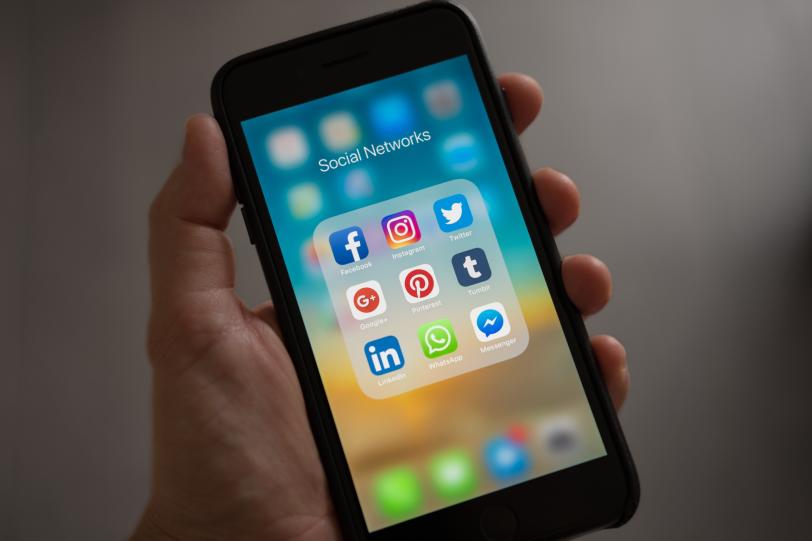
Why is Apple doing this?
The opinions are divided on this. Tim Cook (CEO of Apple) gave a statement on Twitter after the news about the new update aired. In it, he indicated that Apple believes that users have to decide for themselves what happens to their data. Now, everyone agrees that user privacy and data must be protected and taken care of - but the question is whether this is really Apple's reason for the update. There are also questions about the fact that Apple is one of the most prosperous companies in the world, but that they are one of the few with all their user data. Facebook also commented that this decision is not about privacy but about generating more profit. As we just mentioned, app developers will have to look for other revenue models. This means that there is a good chance that they will be forced to use the in-app subscription service from Apple itself. What Apple's reason really is for the new update, the general public will never know. The truth will be somewhere in the middle. With the new AppTracking Transparency policy (under the disguise of privacy), Apple is actually forcing companies to switch to a different revenue model. And you guessed it, this is cheaper for Apple. How is this cheaper? Two things: Apple tax & Apple's advertisement.
If designers and developers have to look for other revenue models and can no longer offer their apps for free through the App Store (but offer in-app payments or paid subscriptions through their apps), Apple will receive a percentage fee for the use of the Apple Store. In addition, Apple's new policy leaves little room for developers to find customers through effective advertising. So, as an alternative to this, Apple offers its own advertising products. Yes, you read it right. That's because Apple's own advertising products are excluded from the policies Apple has imposed on other companies! Apple uses the information it collects to improve the effectiveness of Apple's own advertising products. And if you want to turn off this option, you have to search very deep in your own iPhone Settings.
The impact on the average marketer
The iOS 14 update affects online advertisements around the world. Measuring, reporting, retargeting performance and conversions will be limited. How does this work in practice? Picture this: Elysa sees a Facebook Ad for her favorite bag and decides to click on the ad. Once on the page, she immediately decides to buy the bag online through her mobile phone. The next day she walks around with her new bag. Amazing, right?
However, it is a different story for the marketer of the bag store. Because Elysa indicated with the iOS 14 update that she no longer wanted to be followed, so sales, (mobile) web visits, and even interaction with Facebook Ads could not be measured. The marketer does not know what the conversion rate (the percentage of visitors who proceed to a transaction) of the ad is. And in addition, Facebook does not know this either. It is therefore a lot more difficult for Facebook and for the marketer to optimise their campaigns. They are missing pieces of important data. Apple's new policy ensures that you can no longer track who performs which action on your website. The users can no longer be traced and it is therefore impossible to trace which advertisement or web page generates a lot of traffic or conversions.
What is also important to mention is the fact that if Facebook implements the Apple update, you as an advertiser will be limited to a maximum of 8 conversion events on Facebook. Facebook will also automatically set up conversion events which they think are relevant to your business. They do this (when the update takes effect) because all older events are then made inactive for both reporting and optimisation. You can adjust the conversion events yourself in "Event Management".
How can you continue to advertise on Facebook after the iOS 14 update?
What can you and your marketing team do about this new Apple policy? Here are some tips:
1. Verify your domain with Facebook (essential).
This is an absolute must. By verifying your domain, Facebook's machines know which domain or website belongs to your business manager. Facebook itself has announced that it recommends all advertisers to do this to avoid having difficulties setting up the conversion events. So there is a good chance that you will not be able to optimise specific conversion events if you do not verify your domain.
2. Make a plan of action with the 8 most important conversion events.
It is important to prepare well. As we just mentioned, Facebook will only offer 8 conversion events. When Facebook implements Apple's App Tracking Transparency Tools, your Ad-sets are paused. From that moment on, the conversion events are no longer available. By thinking about which conversions are important for your company, you can immediately implement them when the new policy takes effect.
3. Prepare for fewer cookies.
It's smart to look at other tools and additional ways to measure conversions. You can create a separate landing page for each campaign or add tags to the conversions so that you can trace back through which campaign or page they came in. And of course, it is smart to use UTM codes in combination with Google Analytics. (A UTM code is a piece of simple code that you can add to the end of a URL to track the performance of campaigns and content.) Using other tools, you can still pull in data.
be prepared and contact us!
Do you want to make sure that your company is prepared for the new iOS 14 update? Contact our professionals now, so that your business does not miss out on a profit!